
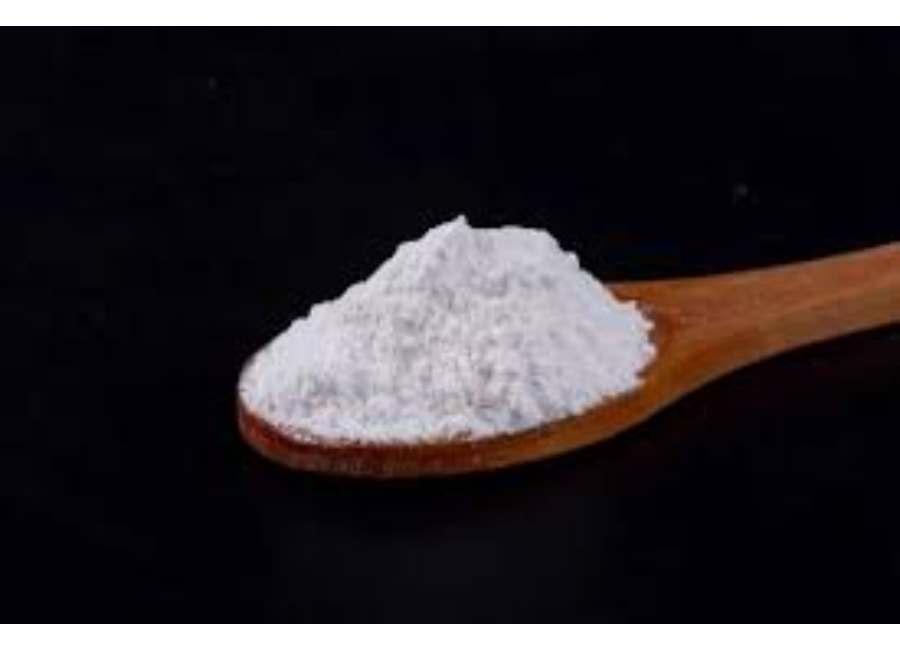
Modified starches
Modified starches are natural starches that have been physically, enzymatically, or chemically treated to enhance their functional properties, making them more resilient and effective in various industrial applications, particularly in food production.
These modifications aim to improve properties such as stability during heating, freezing, or mixing, as well as to achieve desired textures and longer shelf lives.
Purpose of Modification
Native starch (sourced from corn, potato, tapioca, or wheat) has limitations when exposed to modern food processing conditions (like high heat, low pH, or mechanical shear). Modification addresses these limitations by providing:
Increased process stability: Ability to withstand heat, acid, and mechanical stress without breaking down or losing thickening power.
Improved texture and mouthfeel: Creation of smooth, creamy, or chewy textures as needed for different products.
Enhanced shelf life: Prevention of syneresis (water separation) in frozen foods and reduction of staling in baked goods.
Controlled viscosity: Consistent thickening in complex recipes like sauces, soups, and dressings.
Common Applications
Modified starches are widely used across multiple industries:
Food Industry: Used extensively in sauces, soups, dairy products, baked goods, snacks, and plant-based alternatives to ensure consistent quality and appeal during processing, storage, and consumption.
Healthcare/Pharmaceuticals: Serve as binding agents, fillers, and disintegrants in tablets and capsules, and also find use in cosmetics.
Reviews
There are no reviews yet.