
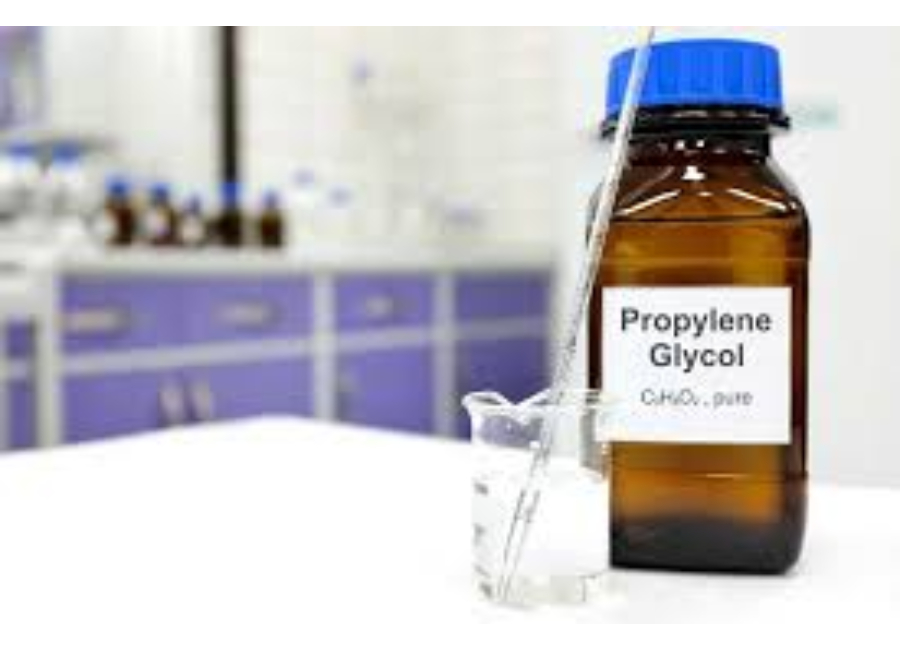
Propylene glycol esters
PROPYLENE GLYCOL ESTERS
Propylene glycol esters (PG esters) are versatile food additives, primarily emulsifiers (E477), made from propylene glycol and fatty acids, used to improve aeration, texture, and stability in baked goods (cakes), non-dairy creams, desserts, and ice cream, acting as stabilizers, moisture retainers, and anti-caking agents. They function by forming films around air bubbles, enhancing volume, and are generally recognized as safe (GRAS) when metabolized into propylene glycol and fatty acids.
What They Are
Mixtures of mono- and diesters of propylene glycol with fatty acids (from vegetable/animal fats).
Lipophilic (oil-loving) emulsifiers with lower Hydrophilic-Lipophilic Balance (HLB) than glycerol esters.
Key Functions & Benefits
Emulsification: Blend oil & water, stabilize foams (like whipped toppings).
Aeration: Trap air in batters for better cake volume and structure.
Moisture Retention: Keep cakes and baked goods moist longer.
Stabilization: Prevent ingredients from separating.
Common Uses (Food & Cosmetics)
Bakery: Cakes, cake mixes, powdered toppings, fried snacks.
Dairy Alternatives: Non-dairy desserts, whipped creams, ice cream.
Confectionery & Drinks: Desserts, ice, soft/fizzy drinks.
Cosmetics: Used as emulsifiers and stabilizers.
Production
Synthesized by reacting propylene glycol with fatty acids or fats.
Can be made with lipase enzymes for cleaner labels.
Safety
Metabolized into propylene glycol and fatty acids, both common in the body.
Considered safe for use in food and cosmetics at regulated levels.
Reviews
There are no reviews yet.